
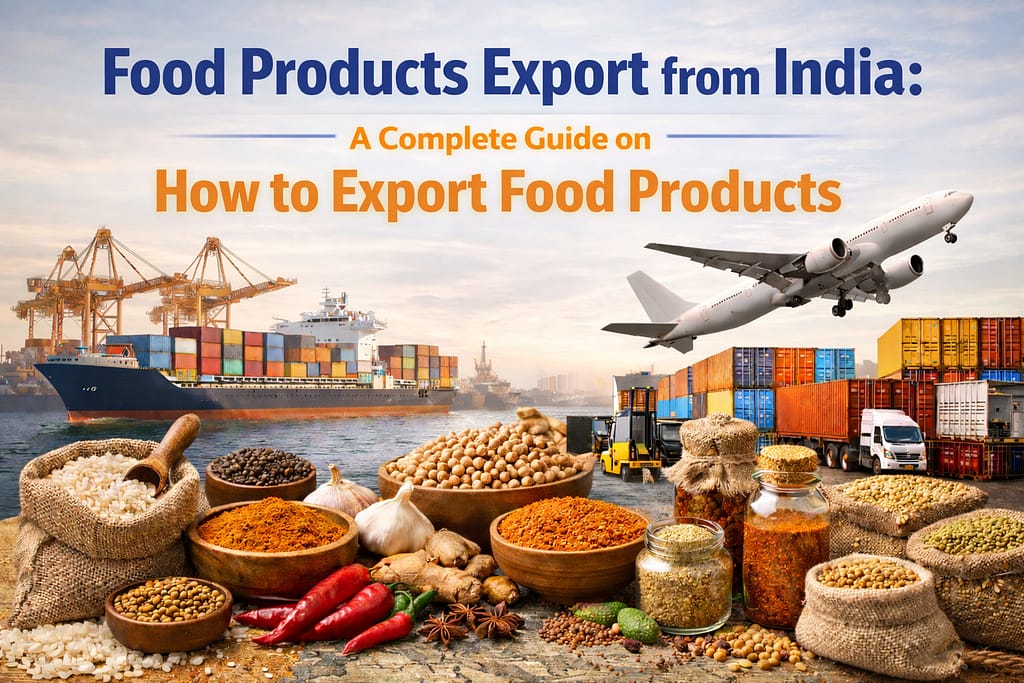
India is one of the world’s leading agricultural powerhouses, supplying high-quality rice, dal pulses, lentils and pulses, oil seeds, and quality spices exports to global markets. If you’re exploring how to export food products from India, this guide covers trends, products, documentation, and export processes.
Key Trends in India’s Food Export Sector
India has become a dominant player in global food trade due to its strong production capacity and quality standards. The rising global demand for plant-based protein has significantly boosted exports of dal pulses and lentils and pulses. At the same time, demand for authentic Indian flavors is driving growth in quality spices exports.
Buyers across the Middle East, Europe, the USA, and Africa rely on best spices exporters in India and reputed non basmati rice exporters for consistent supply. Premium basmati rice remains a flagship export category, strengthening India’s position in global grain markets. Understanding how to export food products from India is now a valuable opportunity for agri-entrepreneurs.
What Food Products Can Be Exported from India?
India exports a diverse range of food commodities:
Premium basmati rice for international retail and wholesale markets
Supply from leading non basmati rice exporters serving Africa and Asia
Protein-rich dal pulses including Moong, Toor, and Urad
High-demand lentils and pulses such as chickpeas and masoor
Quality spices exports including turmeric, chili, cumin, and coriander
Oil seeds and cereal grains
Processed and packaged food products
Many global buyers prefer sourcing from the best spices exporters in India due to strict hygiene, grading, and processing standards.
Top Countries Importing Food Products from India
Indian food products are widely imported by:
UAE, Saudi Arabia, USA, UK, Canada, European countries, African nations, and Southeast Asia. These regions show strong demand for basmati rice, supplies from reliable non basmati rice exporters, and bulk shipments of dal pulses and lentils and pulses. Indian quality spices exports are especially popular in ethnic food markets.
Documents Required for Food Products Export
To understand how to export food products from India, exporters must secure the following:
Import Export Code (IEC)
FSSAI License
APEDA Registration
Phytosanitary Certificate
Certificate of Origin
Commercial Invoice & Packing List
Bill of Lading or Airway Bill
These documents are essential for shipping basmati rice, working as non basmati rice exporters, or handling quality spices exports.
Government Initiatives Supporting Food Exports
The Indian government supports exporters through APEDA schemes, export promotion programs, and quality certification assistance. These initiatives benefit businesses dealing in dal pulses, lentils and pulses, and companies aiming to become best spices exporters in India.
Starting a Food Export Business in India: Step-by-Step Guide
If you’re learning how to export food products from India, follow these steps:
Register your business entity
Obtain IEC, FSSAI, and APEDA licenses
Source export-grade products like basmati rice, dal pulses, and lentils and pulses
Ensure international-standard packaging
Connect with buyers seeking quality spices exports
Manage logistics and documentation
Many new exporters begin with grains and quality spices exports due to strong global demand.
Logistics and Packaging in Food Export
Proper packaging is crucial when exporting basmati rice, bulk dal pulses, and lentils and pulses. It prevents contamination and preserves quality. For quality spices exports, moisture-proof packaging and correct labeling are mandatory. Efficient shipping processes help non basmati rice exporters maintain product integrity.
Conclusion
Understanding how to export food products from India opens doors to a high-potential global market. With strong demand for basmati rice, products from established non basmati rice exporters, rising global consumption of dal pulses and lentils and pulses, and expanding quality spices exports, India continues to lead international food trade. Partnering with reliable suppliers and strictly following compliance procedures ensures long-term export success. Global Pulse International Pvt Ltd stands out as one of the best companies in this sector, known for consistent quality, export-grade processing, and dependable global supply.
Frequently Asked Questions (FAQs)
- What license is required to export food products from India?
To begin how to export food products from India, you need IEC, FSSAI license, and APEDA registration. - Which food products are most exported from India?
Major exports include basmati rice, products from non basmati rice exporters, dal pulses, lentils and pulses, and quality spices exports. - Why are Indian spices in high demand globally?
Because best spices exporters in India maintain strict quality, hygiene, and global food safety standards. - How long does the export process take?
Timelines vary, but shipments of basmati rice, dal pulses, or quality spices exports typically take days to weeks depending on documentation and shipping method. - How can exporters find buyers?
Through trade fairs, B2B platforms, and partnerships with distributors sourcing from best spices exporters in India. - What quality checks are needed for food exports?
Products like lentils and pulses, rice, and spices must meet food safety standards, grading norms, and moisture limits before export.